|
DC-10, TriStar, no Russians
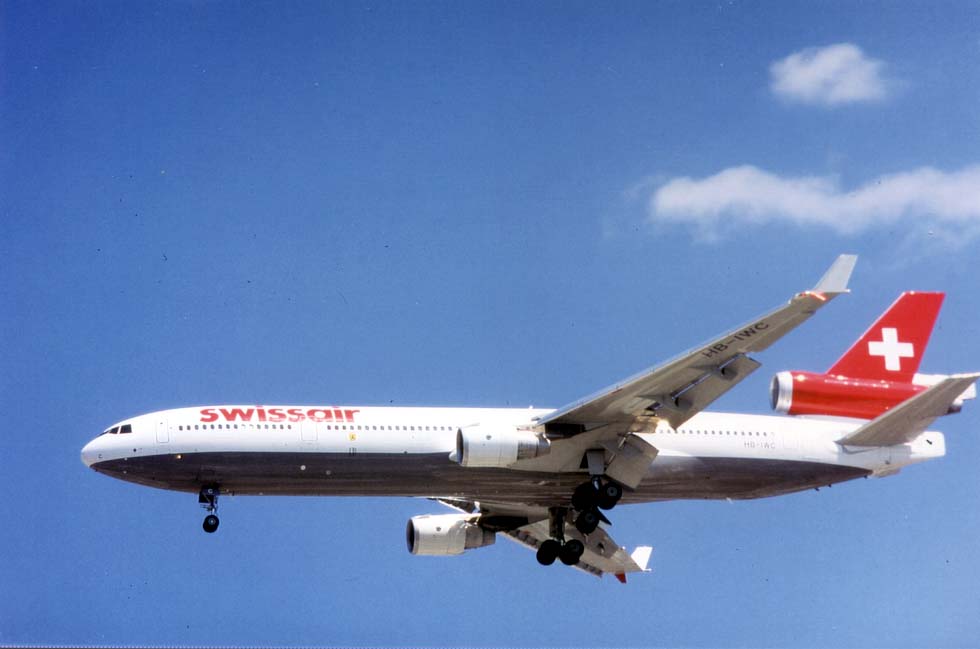
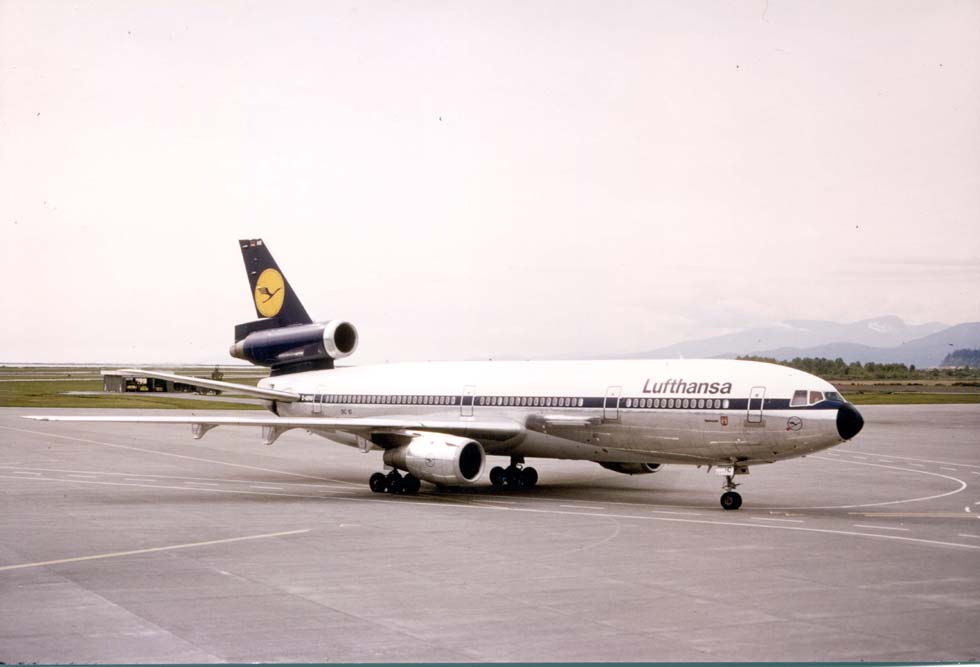
McDonnell Douglas DC-10 There was a gap in capacity between the “Jumbo” and the 707 or DC-8. American Airlines thought of a twin-engined plane, but then ordered a triple-engined version, followed by United Airlines, both with General Electric engines. In 1971 the first DC-10/10 was delivered. The long-haul DC-10/30 with General Electric engines was first introduced by KLM, Swissair and Lufthansa. McDonnell Douglas MD-11 There were considerations about extended or smaller DC-10 derivatives and also about a cooperation with Airbus, not realized. In late 1990 the upgraded DC-10 successor MD-11 was delivered, first to Finnair. The DC-10 together with its successor were the alternative to Boeing’s 747 despite media reports concerning safety, caused by one engine in the rear. “The MD-11 has a doubtful reputation among experts in aviation”, wrote Der Spiegel (33/2010), continuing: “Its high landing speed and the centre of gravity in the rear make steering very pretentious”. Construction of the DC-10 has been completed too hastily in order to be earlier on the market than the TriStar, as Lockheed insiders assumed. In 1997 traditional McDonnell Douglas had to be saved by Boeing and in 2011 the last MD-11 was delivered.
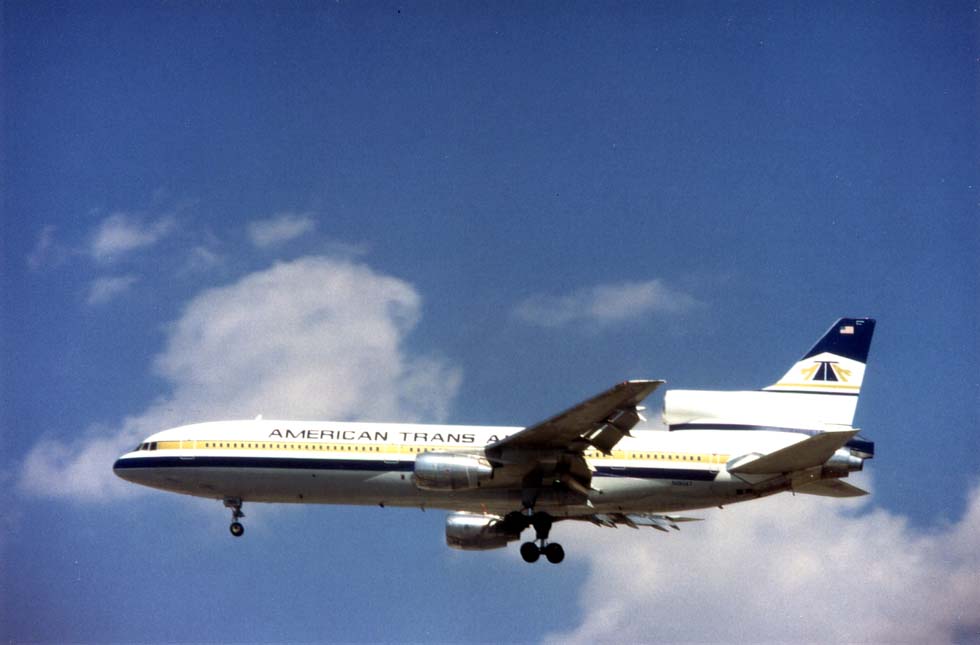
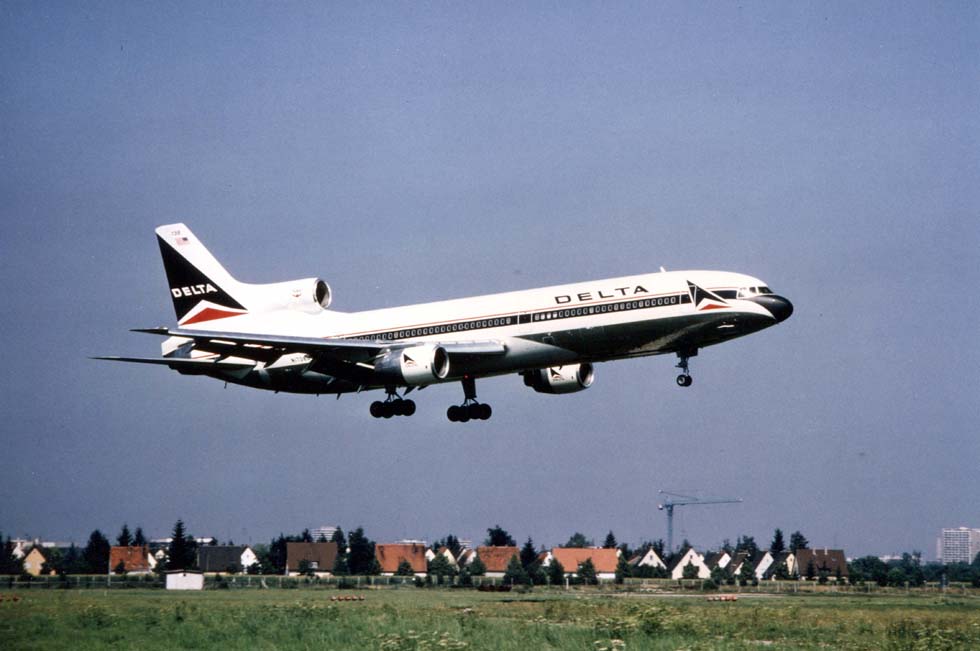
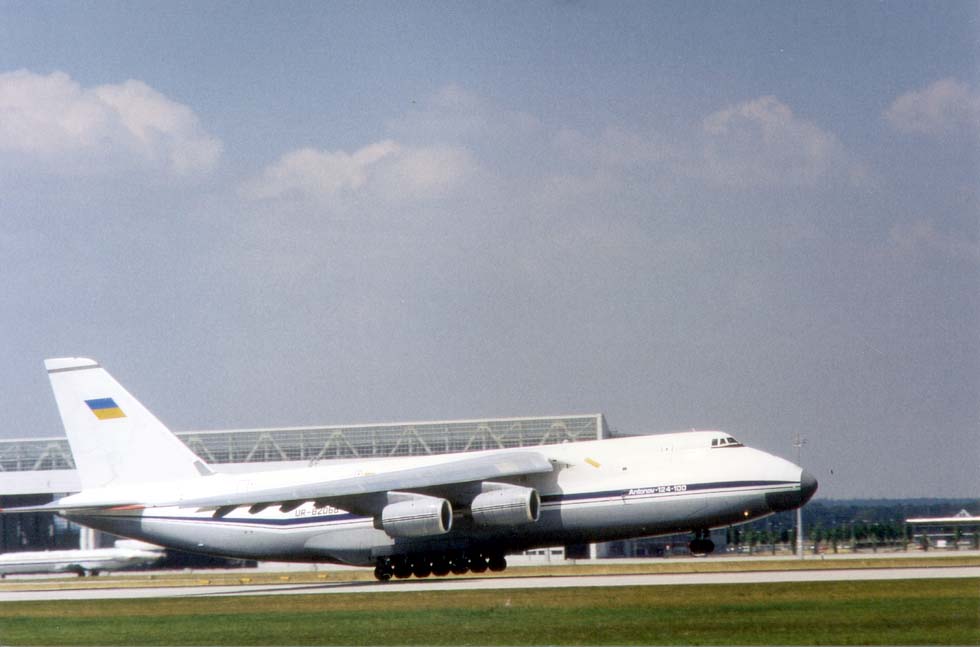
Lockheed TriStar Lockheed, successful with its military planes, entered the competition for a triple jet with the L-1011 TriStar, rather similar to the DC-10. Equipment with the Rolls-Royce RB.211 proved a disadvantage, for it delayed introduction of the TriStar (by Eastern Airlines) until 1972. The long-haul version TriStar 500 was first delivered to British Airways, but in 1993 production of this aircraft ended on account of the limited market. Lockheed, once the producer of the Constellation, the most beautiful prop plane, abandoned building passenger aircraft. Ilyushin and Antonov freighters In 1971 Ilyushin completed the first IL-76, a shoulder-winged freighter with 4 engines in under-wing position. The Antonov An-124 freighter absolved its first flight in 1982. With 405 t the four-engined An-124 had a higher takeoff weight than the Lockheed Galaxy, but like that U.S. Air Force plane it is a shoulder-wing transporter, intended primarily for military purposes, then even surpassed by the 6-engined special transporter An-225. Nevertheless a remark in the book ‘Russian Aircraft’ by A.G. Bratukhin, analyzing the “concept of Ultra-High-Capacity Passenger Airplanes”, may have arisen interest: “By now virtually all versions of conventional-configuration aircraft have been studied well enough. A number of ultra-high-capacity passenger airplanes have already been constructed and put into service (e.g. the An-124 and An-225).” However, they did not enter passenger service and a ‘Slon’ successor was announced in 2019 as a pure freighter.
|